

German industrial companies, including automotive manufacturer BMW and defence manufacturer Rheinmetall, are joining forces to improve Germany’s access to critical raw materials. The companies and industry organisations have proposed establishing a new industry-led trading house designed to strengthen supply security and reduce dependence on a small number of foreign suppliers.
The initiative comes at a time when access to important minerals and industrial materials has become a major international business issue. Modern manufacturing depends on reliable supplies of metals, minerals and specialised materials used in automobiles, batteries, electronics, renewable energy equipment and defence technology.
Germany is one of Europe’s largest industrial economies. Its manufacturing sector plays an important role in international exports, employment and economic growth. However, disruptions in global supply chains have exposed the risks associated with depending heavily on a limited number of countries for essential materials.
According to reports published on 24 November 2026, participating companies signed a memorandum of understanding to begin preparations for the proposed trading organisation. Preparatory work is expected to continue until mid-2027.
Why Germany needs a new raw materials strategy
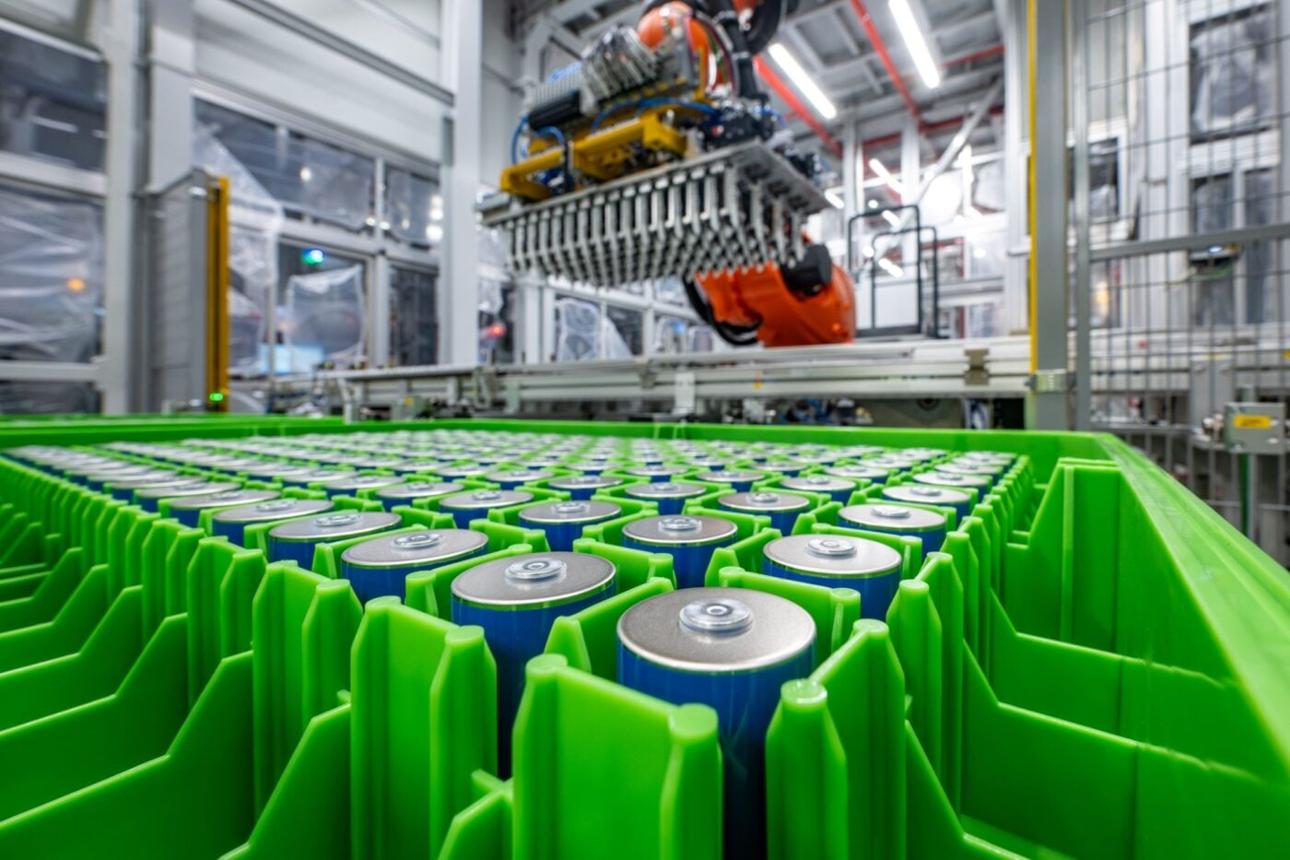
Raw materials are essential to almost every major manufacturing industry. Electric vehicle producers need lithium, nickel, cobalt and graphite for battery production. Electronics manufacturers depend on specialised metals and rare earth elements. Defence companies require reliable supplies of materials used in advanced equipment and industrial systems.
Germany’s industrial competitiveness therefore depends partly on its ability to obtain these materials at predictable prices and in sufficient quantities.
In recent years, international competition for critical minerals has intensified. Countries are increasingly treating access to raw materials as an economic security issue rather than simply a commercial purchasing decision.
When a country depends on a small number of suppliers, disruptions caused by political disagreements, export restrictions, transport problems or natural disasters can affect entire industries.
German industrial groups are concerned that such dependence could weaken their competitiveness against manufacturers in countries with more secure access to important resources.
How the proposed trading house will operate
The proposed organisation is expected to bring together companies that require critical raw materials.
Rather than allowing each company to negotiate independently with international suppliers, the trading house could coordinate purchasing requirements across several industries.
This approach could offer several advantages.
First, combining demand from different companies may increase purchasing power. Larger collective orders can potentially improve negotiating conditions and help businesses secure more reliable supplies.
Second, the organisation could develop strategic stockpiles. These reserves would provide a degree of protection if international supply chains were disrupted.
Third, the trading house could invest in supply chains, including projects that improve access to raw materials and diversify the sources from which German businesses purchase them.
The proposal is modelled partly on Japan’s approach to securing critical minerals, where cooperation between businesses and government institutions has played an important role in supply security.
The role of government
The initiative also proposes closer coordination between industrial companies and the German government.
Germany’s Federal Institute for Geosciences and Natural Resources could receive an expanded role as part of a broader agency responsible for raw materials and energy security.
Such an arrangement could improve information sharing about global mineral supplies, international investment opportunities and potential supply-chain risks.
“German industrial companies, including automotive manufacturer BMW and defence manufacturer Rheinmetall, are joining forces to improve Germany’s access…”
Government involvement may also help businesses identify strategic projects in countries that possess important mineral resources.
However, the initiative does not necessarily mean that Germany will become independent of international suppliers. Many critical minerals are geographically concentrated and cannot easily be replaced by domestic production.
The objective is instead to diversify supply sources and reduce excessive dependence on individual countries.
International business implications
The proposed trading house could influence international mineral markets.
Countries that export lithium, cobalt, nickel, rare earth elements and other industrial materials may see new opportunities to supply German companies.
For developing economies, especially those with significant mineral resources, this could create opportunities to attract investment, develop processing facilities and increase export earnings.
African countries, including the Democratic Republic of Congo, Zambia and South Africa, possess important mineral resources that are relevant to international manufacturing and energy-transition supply chains.
However, mineral-producing countries will need to negotiate carefully to ensure that investment generates local economic benefits, employment and technological development.
Germany’s initiative may also encourage other European countries to strengthen cooperation over strategic materials.
Challenges facing the initiative
Establishing a successful raw materials trading house will not be simple.
Companies will need to agree on purchasing arrangements, financial contributions, stockpiling responsibilities and investment priorities.
Maintaining strategic reserves can also be expensive because businesses must purchase, transport, store and manage large quantities of materials.
There is also the challenge of ensuring that alternative suppliers can meet international quality, environmental and labour standards.
Furthermore, global competition for critical minerals could remain intense as countries expand electric vehicle manufacturing, renewable energy production and advanced defence industries.
Conclusion: Germany’s proposed raw materials trading house represents an important attempt to protect industrial competitiveness through international cooperation. By combining purchasing power, developing reserves and investing in supply chains, German businesses hope to reduce supply risks. The initiative also highlights the growing economic importance of critical minerals in international trade and industrial development.