Europe’s media economy is being rebuilt around the smartphone, and the transformation is forcing news organisations, broadcasters and publishers to rethink how audiences consume information, discover stories and spend their attention.
For decades, European media was built around newspapers, television, radio and desktop websites. Those institutions still matter, but the smartphone has become the gateway through which millions of people encounter news, entertainment and information every day.
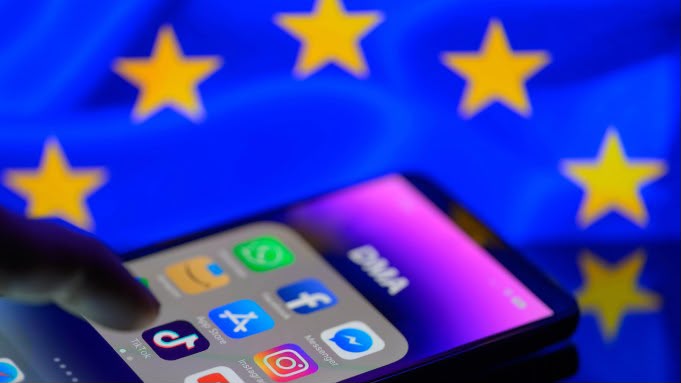
The shift is more than a technological upgrade. It is changing the economics of European media.
A reader no longer needs to deliberately visit a newspaper website to discover a story. A headline can appear inside a social-media feed, a notification can arrive on a locked screen, a video can surface through an algorithm and a single swipe can move an audience from breaking news to sport, business or culture.
That has created an intense battle for attention.
European publishers are therefore competing not only against other news organisations but against virtually every service fighting for time on the same screen. Streaming platforms, social networks, creators, podcasts, gaming companies and online retailers are all competing for the same scarce resource: human attention.
The smartphone has also accelerated the rise of short-form journalism.
A major political development, football result, market movement or technological breakthrough can now reach an audience through a video lasting less than a minute. But speed creates pressure. When information moves rapidly, mistakes can spread just as quickly.
For newsrooms, that makes verification increasingly important. A dramatic headline may attract clicks, but credibility determines whether audiences return.
The economic consequences are equally significant.
Traditional advertising models have been weakened by the migration of audiences from print and broadcast media to digital platforms. Publishers must now build stronger relationships with readers while finding sustainable ways to finance journalism.
“The smartphone has not simply changed how Europe consumes media it has transformed the battle for attention”
Some organisations are turning toward subscriptions, memberships, newsletters, events and premium products. Others are expanding video operations and building audiences across social platforms. The underlying objective is the same: convert attention into a sustainable media business without sacrificing editorial independence.
The smartphone has also changed who can produce media.
A newsroom no longer has exclusive control over cameras, publishing infrastructure or distribution. A reporter with a phone can record an event, transmit images and publish information within minutes. Independent creators can build audiences that rival established media brands.
That democratisation has opened the European media landscape to new voices, but it has also created a crowded information environment where distinguishing verified journalism from speculation can be difficult.
For established publishers, the challenge is therefore not simply surviving digital disruption. It is remaining relevant in an environment where audiences expect information to be immediate, visual and accessible from anywhere.
The next phase of European media will likely be defined by organisations capable of combining speed with depth, technology with journalism and digital reach with trust.
The smartphone did not destroy traditional media overnight. It changed the battlefield.
Now the strongest media organisations will be those capable of adapting to where audiences are — without losing sight of why audiences trusted journalism in the first place.