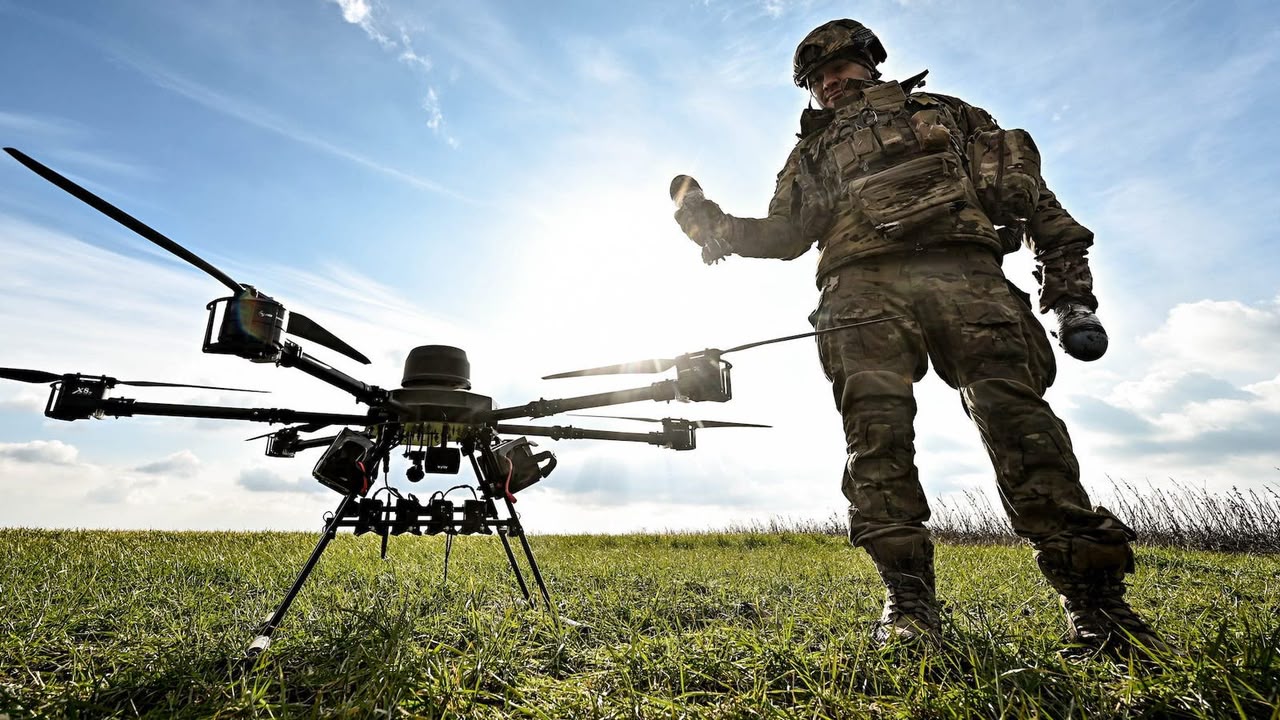
The European Union is adding €130 million to its funding for drone technology as Brussels expands the use of unmanned systems for border surveillance and protection of critical infrastructure.
The European Commission announced the additional funding during a meeting of EU justice and home affairs ministers in Luxembourg.
The new money is part of a broader European effort to strengthen border-management technology and respond to what officials describe as growing security and hybrid threats.
Expanding drone capabilities
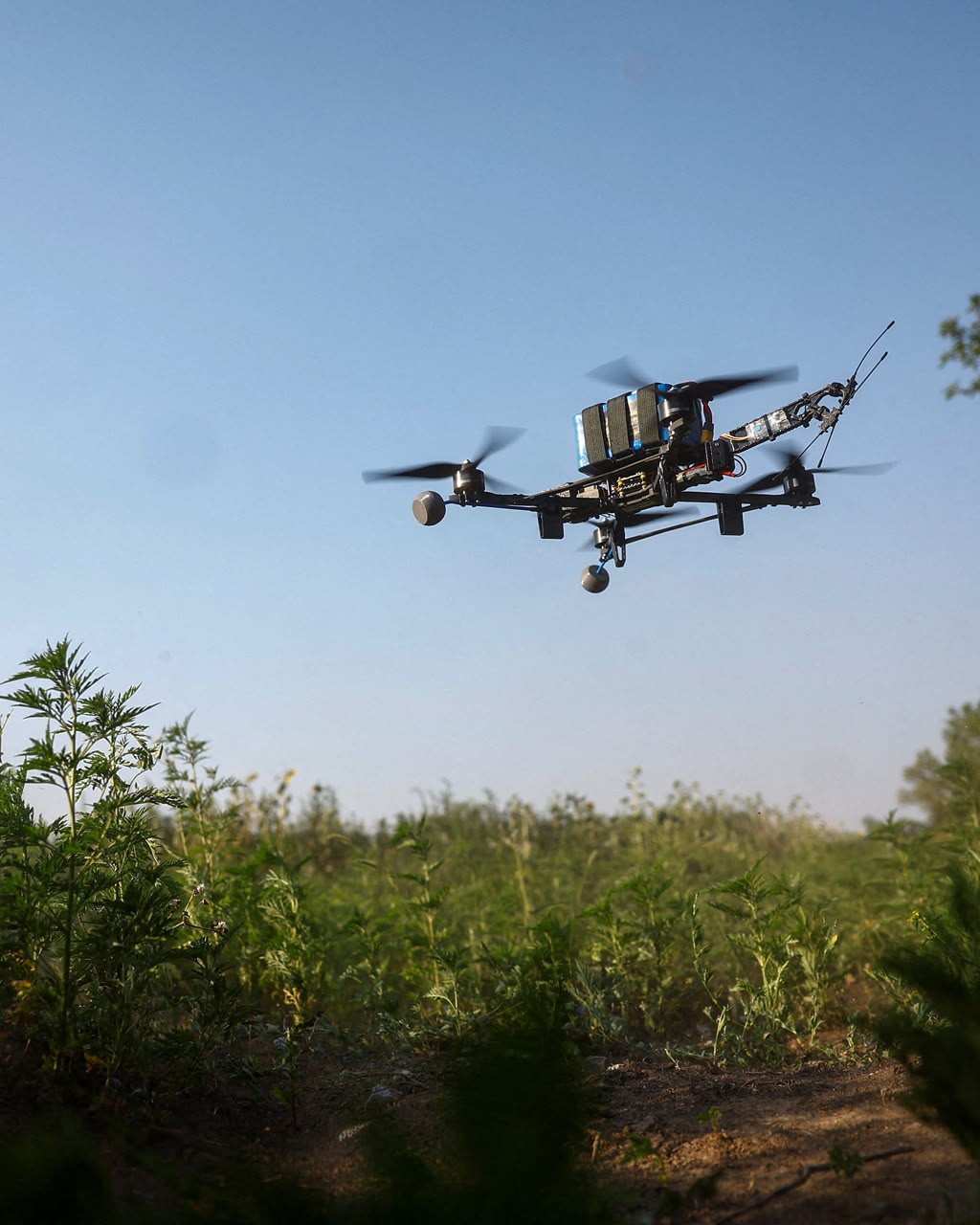
Drones can provide authorities with aerial surveillance across areas that may be difficult or expensive to monitor continuously from the ground.
They can be used to observe land and maritime borders, support search operations and provide information to security teams.
The latest EU funding will help national authorities purchase drones and counter-drone systems and integrate them into existing surveillance networks.
European Commissioner for Internal Affairs and Migration Magnus Brunner said the additional funding was necessary because of strong demand from member states.
The Commission had already announced a €250 million programme in February to support drone and counter-drone security projects.
The latest €130 million increase brings the wider EU investment in new border-surveillance technology to more than €500 million when other funding programmes are included.
Growing role of technology
The expansion reflects the growing importance of unmanned systems in European security planning.
Drones are increasingly being used for applications ranging from border surveillance to infrastructure inspections, environmental monitoring and emergency response.
Counter-drone technology is also becoming more important as governments seek ways to detect, track and respond to potentially hostile or unauthorised unmanned aircraft.
The EU’s approach is therefore focused not only on purchasing drones, but also on developing systems that can identify and counter other drones.
Frontex role
The European Border and Coast Guard Agency, known as Frontex, is expected to play a growing role in the bloc’s border-management efforts.
“The European Commission's reported funding increase centres on expanding drone technology as the EU strengthens its border-security capabilities.”
The EU has separately made €170 million available to Frontex and national authorities through the Border Management and Visa Instrument to acquire uncrewed equipment for surveillance.
Brussels is also preparing to review Frontex’s mandate later this year.
The agency’s future responsibilities could become particularly important as European governments seek stronger coordination during border emergencies.
Privacy and oversight
The expansion of surveillance technology also raises questions about privacy and the handling of information collected by authorities.
Drones can capture images over large areas, potentially recording people who are not directly involved in any security incident.
EU governments will therefore need to ensure that surveillance systems operate within applicable laws, and that collected information is appropriately protected.
Cybersecurity is another consideration. Drone networks and control systems must be protected from interference, hacking and unauthorised access.
What comes next
EU leaders are expected to discuss migration and border management at a European Council meeting scheduled for October 15 and 16.
The discussions could shape how the bloc uses new technology and how responsibilities are divided between national authorities and European institutions.
For the drone industry, the additional funding creates opportunities for companies developing aircraft, sensors, communications systems and counter-drone technologies.
For European authorities, the challenge will be turning the investment into effective systems while maintaining appropriate legal and privacy safeguards.
The latest funding decision shows that drones are becoming an increasingly important part of Europe’s approach to border surveillance and security.