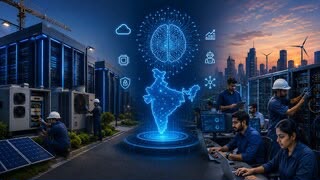


Renewable energy is becoming an increasingly important part of the global electricity system as countries expand solar, wind, hydropower and other low-emissions technologies.
Unlike fossil fuels, renewable energy sources draw on resources that are naturally replenished. Solar panels convert sunlight into electricity, wind turbines use moving air, and hydropower generates electricity from flowing water.
The growth of renewable energy has been supported by technological improvements, investment, energy-security concerns and efforts to reduce greenhouse-gas emissions.
Solar power has expanded particularly quickly. Falling technology costs and the ability to install solar systems at different scales have allowed the technology to spread across households, businesses and large power projects.
Wind energy has also become an important source of electricity, especially in regions with strong wind resources.
The International Energy Agency has reported rapid growth in renewable electricity capacity. In one of its major renewable-energy assessments, the IEA said renewables were expected to account for more than 90% of global electricity-capacity expansion over a five-year period. (IEA)
IEA Executive Director Fatih Birol said:
“Renewables were already expanding quickly, but the global energy crisis has kicked them into an extraordinary new phase of even faster growth.”
Birol added that renewable expansion was becoming important not only for emissions reduction but also for energy security. (IEA)
The transition nevertheless presents challenges.
Solar and wind generation varies according to weather conditions and the availability of sunlight or wind. Electricity systems therefore need ways to balance supply and demand.
“Battery-swap stations, cheaper rides and cleaner air — the humble boda boda is going electric faster than anyone…”
Energy-storage technologies, including batteries, can help store electricity when renewable generation is high and release it when demand increases or renewable output falls.
Electricity grids also need investment. New transmission infrastructure can help move electricity from areas with strong renewable resources to locations where demand is concentrated.
The environmental impacts of renewable technologies also require attention. Solar panels, wind turbines and batteries require minerals and other industrial materials. Responsible mining, efficient manufacturing and recycling can help address some of these challenges.
Renewable energy can also provide economic opportunities through jobs in manufacturing, construction, installation, maintenance and engineering.
For communities without reliable electricity connections, decentralized renewable systems such as solar home systems and mini-grids can provide another route to energy access.
Reliable electricity can support schools, health facilities, businesses and communication networks.
The energy transition is therefore broader than simply replacing fossil-fuel power plants. It involves changes to electricity grids, storage, transportation, industry and patterns of energy consumption.
Renewables alone will not solve every environmental problem. Their contribution depends on effective planning, reliable infrastructure and responsible management of the materials used to build clean-energy technologies.
As countries work to improve energy security and reduce emissions, renewable energy is expected to remain an important part of the changing global energy landscape.