
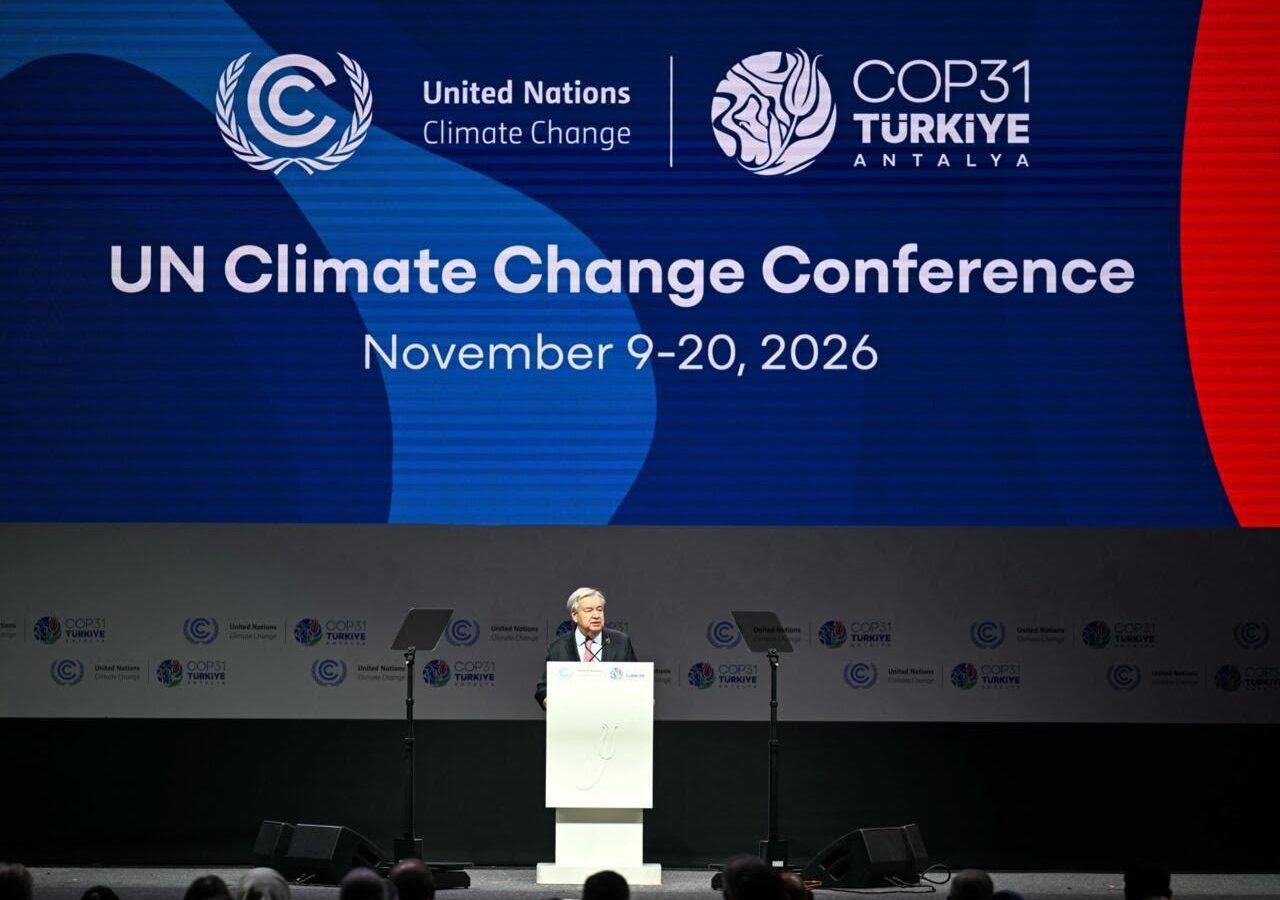
World leaders attending the United Nations Climate Change Conference COP31 in Antalya, Türkiye, are facing growing pressure to turn international climate commitments into practical action as disagreements over fossil fuels, renewable energy and financial support dominate discussions.
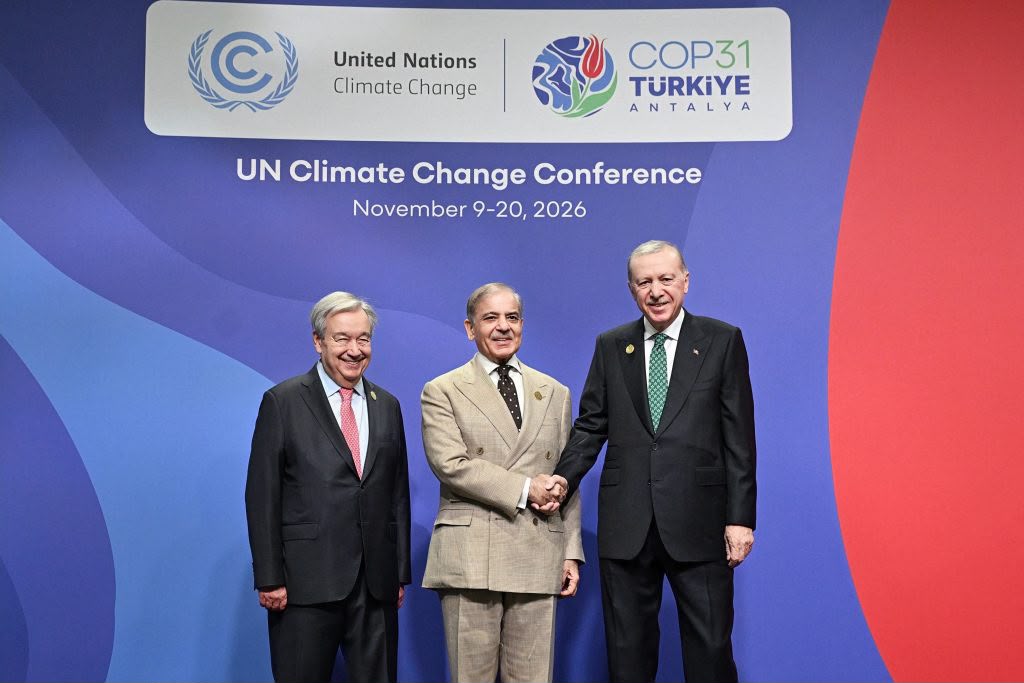
The conference has brought together government representatives, international institutions, environmental organisations and other stakeholders at a time when countries are struggling to balance economic development with the need to reduce greenhouse gas emissions.
One of the most significant developments on Thursday, November 12, was the announcement of a $1.6 billion climate financing agreement between Türkiye and the Asian Infrastructure Investment Bank (AIIB).
The agreement is intended to support policy reforms that could help Türkiye attract additional investment, accelerate its transition towards a lower-carbon economy and strengthen its ability to respond to climate-related challenges.
The financing announcement comes as negotiators face competing demands from countries seeking faster reductions in fossil fuel use and governments that continue to regard oil, gas and coal as important components of their economic development.
Climate negotiations face competing priorities
The discussions at COP31 have exposed significant differences between participating countries over the future direction of international climate policy.
Small island states and other climate-vulnerable countries are calling for stronger action to reduce greenhouse gas emissions because rising global temperatures threaten their communities, infrastructure and economies.
European leaders have supported proposals to expand electrification, arguing that increased use of electricity in transport, buildings and industry could help reduce dependence on fossil fuels.
However, developing countries have continued demanding greater financial assistance from wealthier economies to support their climate ambitions.
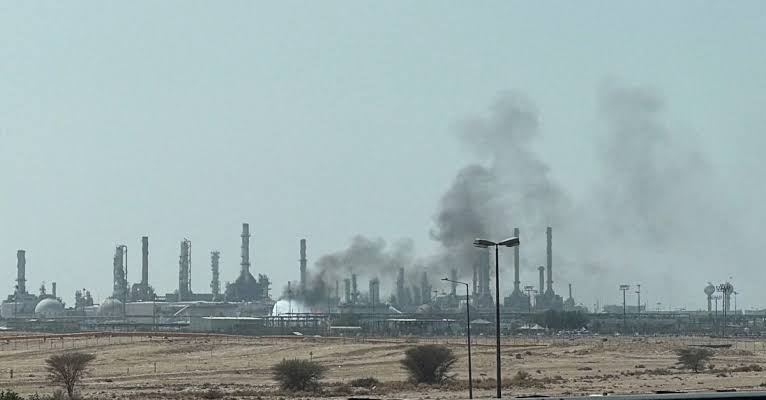
Meanwhile, fossil fuel-producing countries have defended their continued use of oil, natural gas and coal, arguing that these resources remain important for energy security and national development.
These competing positions make it difficult to develop an international agreement that satisfies countries with different economic circumstances and energy requirements.
Reuters reported on Thursday that the discussions had left negotiators with a difficult task of finding common ground on the main issues.
United Nations warns that climate action is falling behind
United Nations Secretary-General Antonio Guterres has used the conference to warn that the climate crisis is progressing faster than international efforts to address it.
In his remarks at COP31, Guterres highlighted record greenhouse gas emissions and rising temperatures, warning that climate-related disasters were affecting lives, livelihoods and economies across the world.
His message reflects growing concerns about the gap between international climate commitments and the actual speed of implementation.
Countries have repeatedly announced targets intended to reduce emissions, increase renewable energy production and protect vulnerable communities.
However, achieving these objectives requires significant investment, political commitment and changes in how economies produce and consume energy.
Extreme weather events have also made climate adaptation increasingly important.
Flooding, drought, wildfires and extreme heat can damage infrastructure, reduce agricultural production and place additional pressure on healthcare and emergency services.
The challenge is particularly serious for countries that have limited financial resources to prepare for and recover from environmental disasters.
Türkiye secures $1.6 billion climate financing agreement
One of the major financial developments at the conference is the agreement between Türkiye and the Asian Infrastructure Investment Bank.
According to Reuters, the AIIB has agreed to provide a record $1.6 billion financing package to support policy reforms aimed at helping Türkiye achieve its climate objectives.
The financing will cover areas including fiscal policy, financial regulation and sectoral planning.
It is also expected to support implementation of Türkiye’s Climate Law and its wider plans to reduce greenhouse gas emissions.
The country has established an interim emissions target for 2035 and aims to achieve net-zero emissions by 2053.
However, achieving these ambitions will require substantial additional investment.
The AIIB estimates that Türkiye will need approximately $68 billion in additional climate investment by 2030, with around half expected to come from private sources.
The financing arrangement is therefore significant because it is intended not only to provide financial resources but also to help create conditions that encourage further private-sector participation.
For governments attempting to modernise their economies while reducing emissions, attracting private investment has become an important part of climate policy.
Renewable energy and carbon markets take centre stage
The agreement also highlights the growing importance of renewable energy and carbon markets in international climate discussions.
Türkiye intends to expand its renewable energy capacity, including wind and solar power.
Reuters reported that the programme includes targets for securing production licences for 1,800 megawatts of wind and solar capacity by early 2027.
“World leaders attending the United Nations Climate Change Conference COP31 in Antalya, Türkiye, are facing growing pressure to…”
Expanding renewable energy could help reduce dependence on fossil fuels while supporting electricity demand from households, businesses and industrial facilities.
The agreement also includes support for Türkiye’s developing emissions trading system.
Under such systems, companies in high-emitting industries can be required to monitor emissions and operate within established limits.
Allowances can be traded between participating companies, creating an economic incentive to reduce pollution.
The system is particularly relevant for industries such as steel and cement, which are important to international manufacturing and construction but can generate significant greenhouse gas emissions.
Türkiye’s carbon market development could also have implications for exporters selling products into European markets, where carbon-related trade rules are becoming increasingly important.
Agriculture faces growing climate pressures
Agriculture is another important part of the financing programme.
Türkiye faces environmental challenges including water scarcity, drought, extreme heat and changing rainfall patterns.
These conditions can affect agricultural productivity and increase pressure on farmers who depend on reliable water supplies.
According to Reuters, the programme aims to help 225,000 farmers in water-stressed basins switch to crops that require less water by 2028.
This objective highlights the importance of climate adaptation alongside emissions reduction.
Changing agricultural practices can help farmers respond to environmental conditions while protecting food production.
The programme also includes plans to designate 50,000 hectares of land as carbon sinks by 2028.
Carbon sinks are natural systems, including forests and other vegetation, that absorb carbon dioxide from the atmosphere.
Protecting and expanding such areas can contribute to broader environmental protection efforts.
What the negotiations mean for developing countries
The discussions at COP31 are particularly important for developing economies that need to expand infrastructure, create employment and improve living standards while responding to climate change.
African countries, for example, have opportunities to develop solar, wind and other renewable energy resources.
However, turning these opportunities into functioning projects requires access to financing, technology and technical expertise.
Many developing countries also face the additional challenge of dealing with environmental disasters while managing limited public budgets.
International financing arrangements such as the Türkiye-AIIB agreement demonstrate how policy reforms and investment can be combined to support climate objectives.
Nevertheless, one financing agreement cannot address the wider funding requirements of countries across the world.
Developing nations will continue looking to international partners to support renewable energy development, climate adaptation and environmental protection.
The road ahead for COP31
COP31 continues until November 20, with negotiators facing the difficult task of translating political statements into practical commitments.
The major issues include the future of fossil fuels, the expansion of renewable energy, climate finance and support for communities already experiencing environmental changes.
The disagreement between countries demonstrates that climate policy is not simply an environmental question. It is also closely connected to international trade, industrial development, energy security and economic inequality.
Türkiye’s $1.6 billion agreement provides an example of how financing can support national climate policies.
However, the broader success of COP31 will depend on whether participating governments can agree on actions that produce measurable results beyond the conference.
For the international community, the challenge is to ensure that climate commitments become investments and policies capable of protecting future generations.