
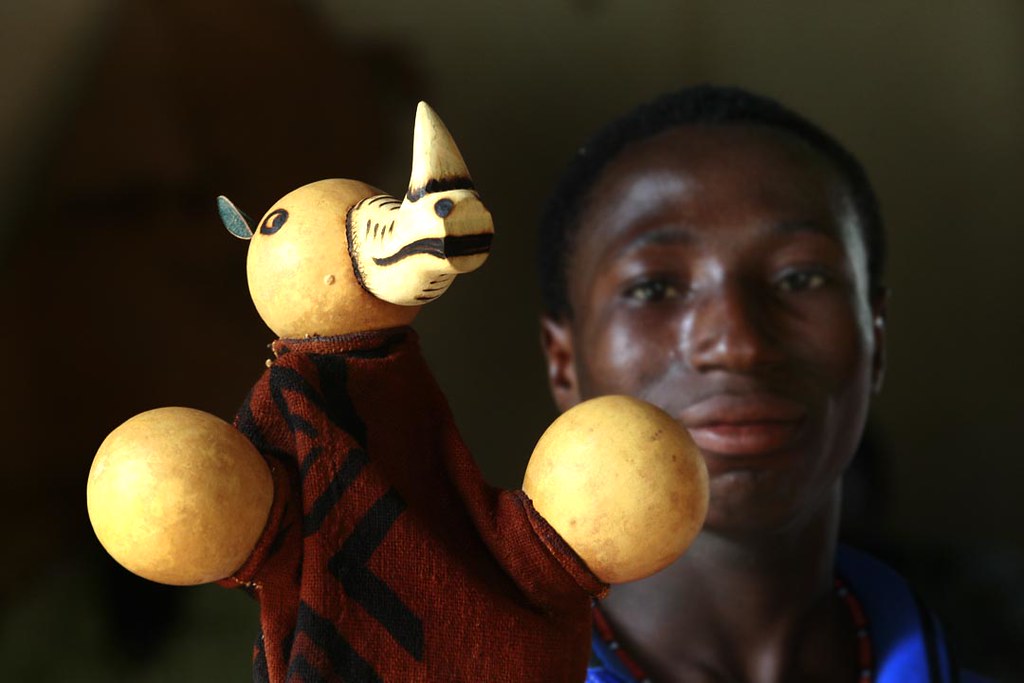
In workshops across the region, a quiet revival is underway. Crafts dismissed for decades as relics — basketry, bark cloth, hand-forged metalwork — are being rediscovered as design.
The catalyst is a new generation of designers who treat artisan skill as a partner rather than a museum piece, pairing traditional technique with contemporary form.
The economics are compelling. Handmade goods command premium prices in global markets hungry for authenticity, and every order keeps income — and knowledge — in the community.
Cooperatives are formalising the trade, setting quality standards and negotiating collectively, turning scattered talent into reliable supply.
“Weavers, carvers and metalsmiths are connecting centuries-old craft traditions to contemporary design markets.”
Heritage, it turns out, is not the opposite of innovation. Properly valued, it is a competitive advantage no factory can copy.