
In newsrooms across Africa, a quiet transformation is underway. A new generation of women journalists is putting data at the centre of the story — and changing what accountability journalism looks like.
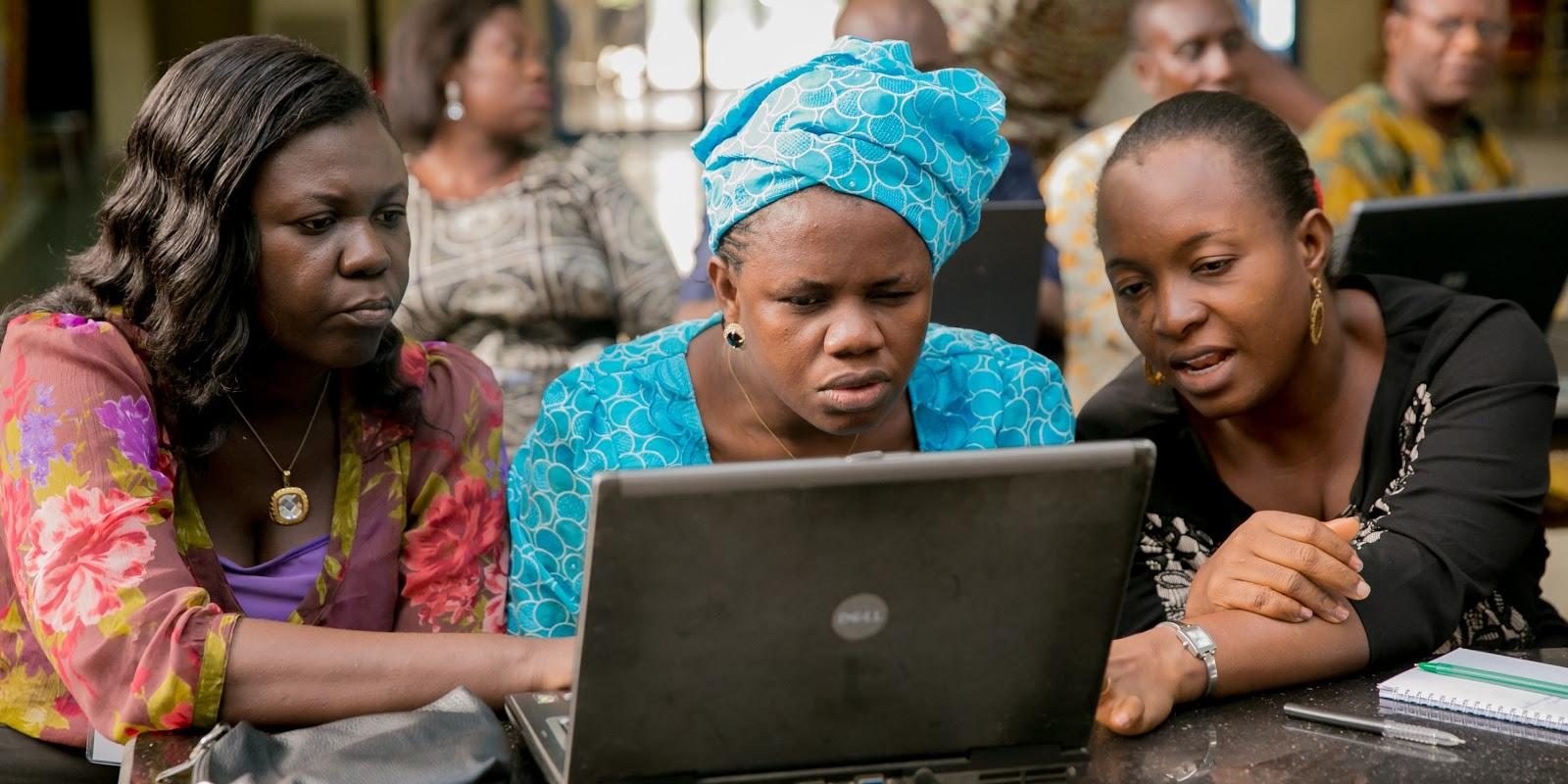
Data journalism was once the preserve of well-resourced Western outlets. Today, reporters in Kampala, Nairobi and Lagos are scraping budgets, mapping outbreaks and tracing procurement contracts with little more than laptops and determination.
The impact is tangible: investigations that have exposed mismanaged funds, forced policy corrections, and given communities evidence rather than anecdote.
Training networks and mentorship programmes have been crucial, creating pipelines of talent where formal education in data skills remains rare.
“From election coverage to public health investigations, a new generation of women journalists is putting data at the…”
The obstacles persist — pay gaps, safety concerns, and newsroom hierarchies slow to change. But the trajectory is unmistakable.
The future of African journalism will be written in spreadsheets as much as in prose — and increasingly, it will be written by women.