
The printed newspaper had a good century in Africa; it will not have another. Circulation figures across the continent tell a single story in unison — and the device that replaced the paper is now so dominant that ‘mobile-first’ has stopped being a strategy and become a description of reality.
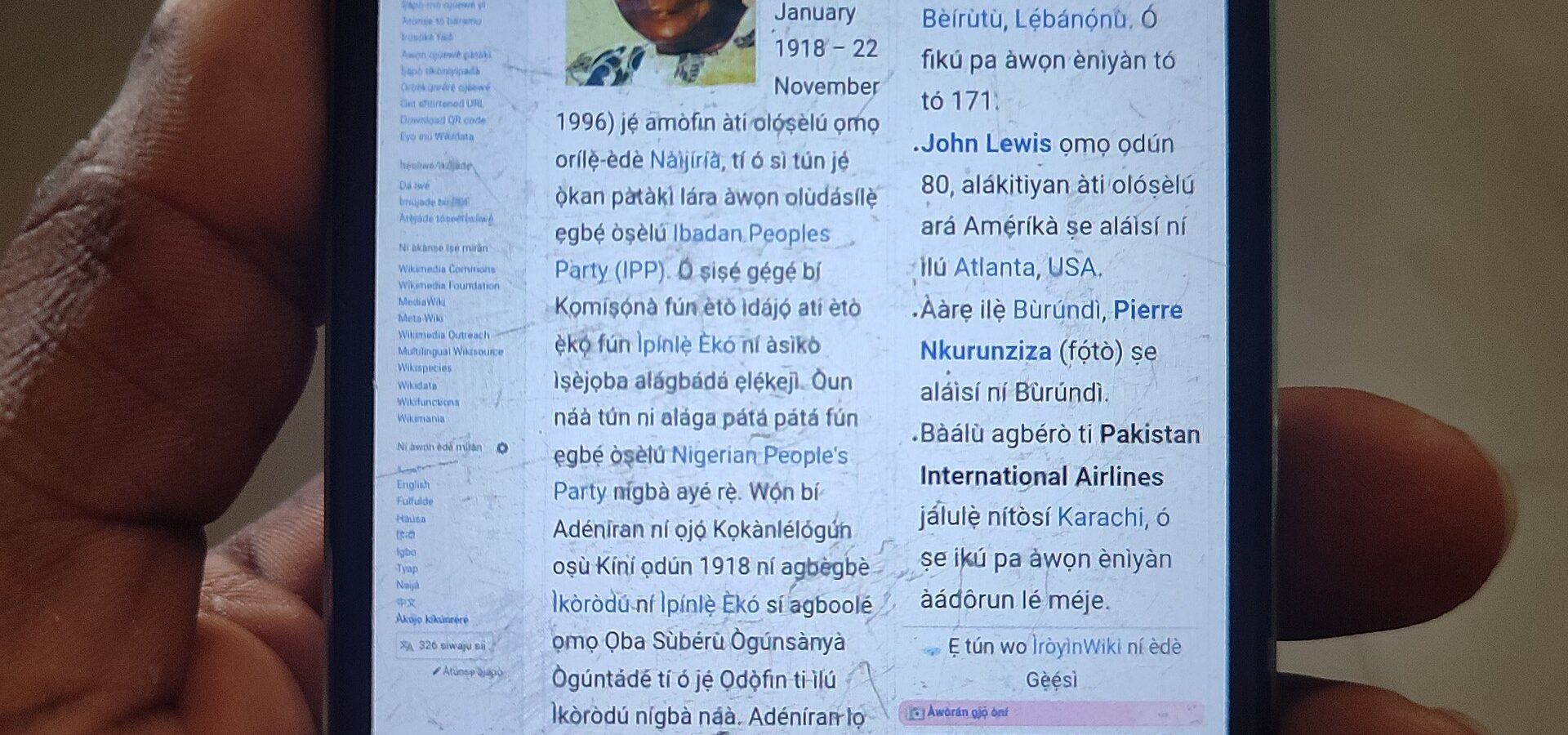
The numbers frame the transformation. The smartphone is the primary — often the only — screen for hundreds of millions of Africans. News consumption happens inside WhatsApp threads, TikTok feeds and YouTube recommendations, not on homepages. Media organisations no longer own their distribution; they rent it from platforms by the algorithmic day.
The revenue problem is the hard part. Digital advertising rates in African markets are a fraction of Western ones, and the platforms capture most of what exists. Paywalls work for a narrow professional elite. The result is an industry with enormous audiences and chronically insufficient income.
The survivors are inventing hybrid models with real ingenuity: events and branded content, membership communities, mobile-money micropayments, B2B data services, creator partnerships, and studio businesses that fund journalism with commercial production. No single model works; the portfolio might.
“Print collapsed, radio endures, and the phone won. The business models that will define African media's next decade…”
Radio, the medium every obituary forgot, quietly remains the continent’s widest-reaching news channel — and its integration with mobile (call-ins on WhatsApp, streams on apps) makes it a genuine pillar of the new economy rather than a relic of the old one.
From newspapers to phones is not just a format change; it is a power shift. Whoever builds sustainable media economics on the African smartphone is building the continent’s future public square. That prize is still unclaimed, and it is enormous.