
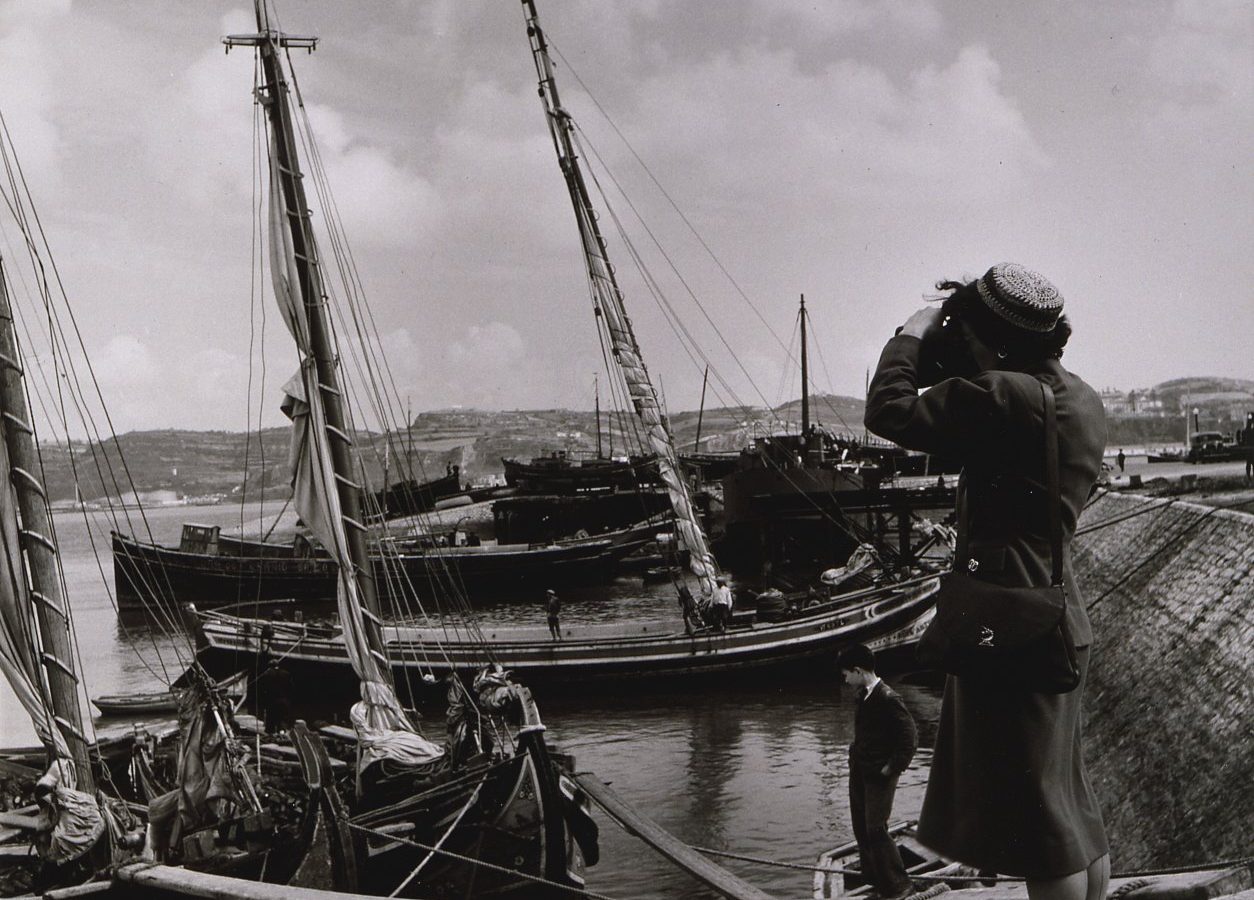
The first question a growing share of travellers now asks about a destination is not ‘what is it like?’ but ‘what will it look like on my feed?’ That single shift in motivation is quietly restructuring tourism across Africa, from which viewpoints get built to which lodges get booked.
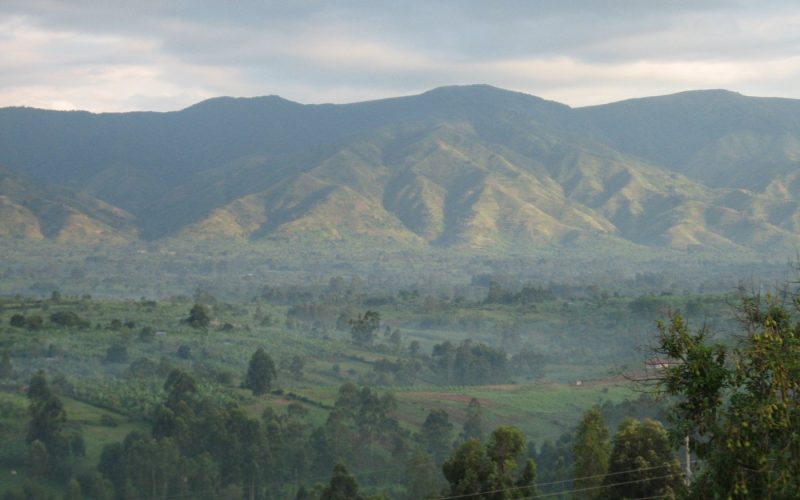
The mechanism is the visual recommendation loop. A creator posts a striking frame — a Rwenzori ridge at dawn, a Lamu alley, a Sossusvlei dune — and within months the location appears on thousands of itineraries. Destinations have learned to design for the loop: photogenic infrastructure, ‘Instagram points’, even colour schemes chosen for the camera.
The economics cut both ways. Viral visibility can transform a community’s income in a season; Uganda’s own crater-lake lodges and Jinja’s adventure corridor both ride demand generated substantially by social content. But fame that arrives through a filter tends to be shallow, seasonal and brutally fickle.
Overtourism’s African variant is emerging too: fragile sites absorbing influencer-driven surges they were never built for, and locals discovering that their home has become someone else’s backdrop — with the revenue flowing to operators far away.
“Destinations are now chosen for how they photograph. That shift is rewriting where tourist money flows across the…”
The destinations winning the long game are those converting content into relationship: using the viral moment to tell a deeper story — conservation, culture, community — that outlasts the trend and justifies a second visit.
Travel becoming content is neither corruption nor salvation; it is a new distribution channel for wonder. The question, as always in Africa’s tourism economy, is who owns the channel — and whether the people in the frame share in its value.