
The Carabao Cup remains English football’s ultimate litmus test for squad depth and tactical flexibility. As the 2026/27 tournament charges through its high-stakes third round split fixtures, the early autumn results have already given us a clear indication of how the rest of the domestic season will shape up.
With heavyweights like Chelsea securing high-scoring wins and managers heavily rotating their lineups, the tournament continues to prove it is much more than a secondary piece of silverware—it dictates momentum.
Here is an analysis and website-ready article breaking down the recent reactions and what they mean for the grueling months ahead.
Depth, Danger, and Drama: What the Carabao Cup Tells Us About the Rest of the Season
Every September, the football world engages in the same cyclic debate: How much does the League Cup actually matter? But as the third round of the 2026/27 Carabao Cup unfolds, managers across the top flight are quickly finding out that early-season cup ties hold a mirror to their squad’s deepest vulnerabilities and greatest strengths.
From Chelsea’s breathless 6-3 goal-fest over Leeds to tactical restructuring at Arsenal and Newcastle’s resilient march forward, the early knockouts are reshaping expectations for the Premier League and European campaigns ahead.
The Squad Depth Mirage
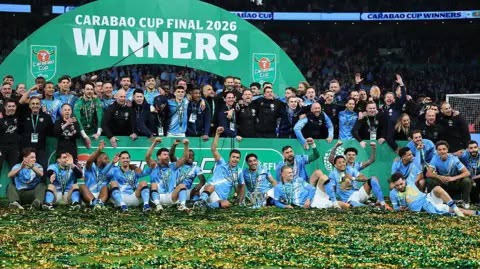
For elite clubs competing on four fronts, the Carabao Cup is primarily an exercise in resource management. However, heavily rotating a squad can easily expose the gap between a manager’s preferred Starting XI and their reserve options.
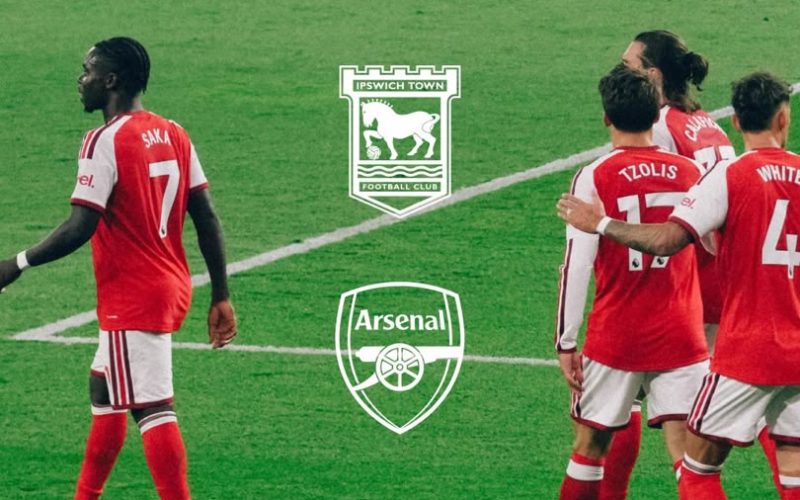
Take Arsenal, for instance. Faced with a tight schedule, Mikel Arteta has had to lean into deep tactical experiments—integrating summer arrivals like Martín Zubimendi and managing minutes for stars like Eberechi Eze and Riccardo Calafiori.
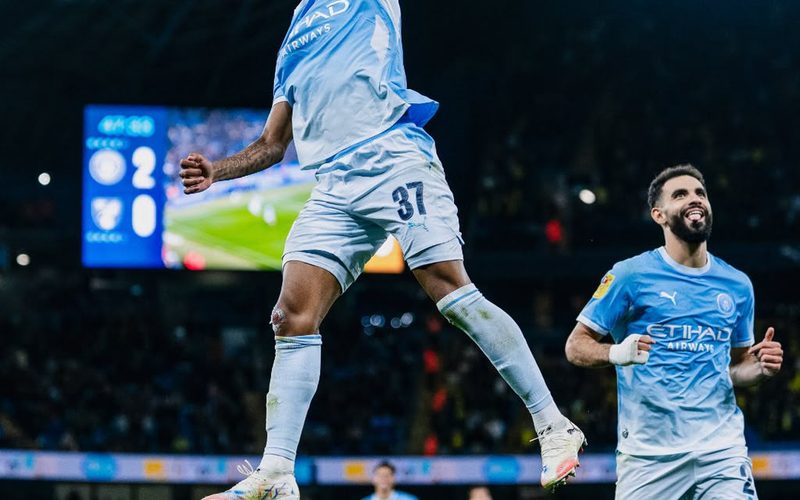
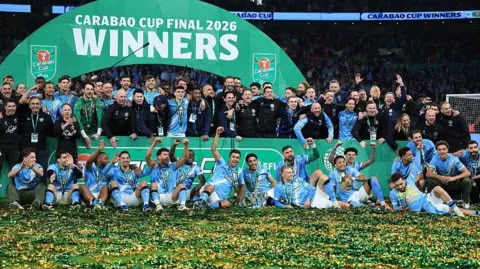
For clubs aiming to dethrone defending champions Manchester City, these cup games are not throwaway fixtures; they are essential laboratories to build chemistry. If your backup left-back or secondary striker struggles against lower-tier opposition, it signals major trouble for the congested winter period.
2. A Catalytic Launchpad for Momentum
Winning breeds winning. For clubs hovering just outside the absolute elite, the Carabao Cup represents the fastest and most realistic route to silverware and guaranteed European qualification.
Look no further than Newcastle United, who ground out a tough 1-0 away win at Millwall. For a team building a new identity under pressure, these gritty knockout victories instill a “cup-fighter” mentality that translates directly into Premier League resilience.
“UEFA Champions League returned today with a surge of excitement and drama”
A strong run here often acts as a springboard, keeping squad morale high among fringe players who finally get their chance under the floodlights.
3. Tactical Evolution and the Absence of Safety Nets
With standard tournament rules dictating that ties level after 90 minutes go straight to a penalty shootout (exempting the final), the Carabao Cup forces managers to be incredibly proactive. There is no extra time to fix a poor tactical setup, and there are no second chances.
We are seeing teams like Chelsea play high-risk, high-reward attacking football—evidenced by their chaotic 6-3 win over Leeds. While it shows incredible firepower, it also highlights defensive frailties that savvier Premier League opponents will exploit. The cup acts as an early warning system. Managers who listen to these warning signs will adjust; those who dismiss them as “just a cup game” usually find their league form collapsing by December.
The Verdict: The Season’s True Early Indicator
As the remaining clubs prepare for the fourth-round draw, the true value of the Carabao Cup is clear. It is the ultimate pressure-cooker for young talent, a testing ground for tactical changes, and an early-season separator of true contenders from pretenders.
The teams that navigate these mid-week assignments with professional composure are almost always the ones standing tall when the major trophies are handed out in May.