
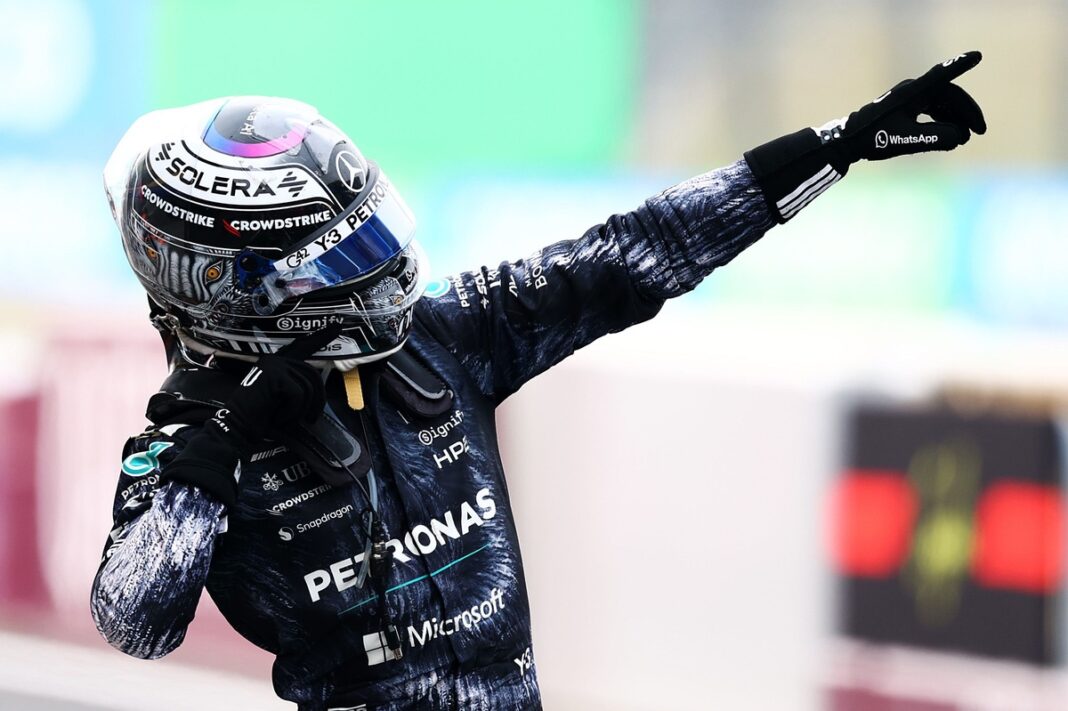
Formula 1 has witnessed another historic moment after Italian racing sensation Kimi Antonelli secured the 2026 drivers’ world championship, becoming the youngest world champion in the history of the sport.
At just 20 years and 68 days old, the Mercedes driver has achieved something that many experienced competitors spend their entire careers pursuing. His championship victory represents a remarkable achievement for a young driver who entered the sport with enormous expectations and has now delivered on the promise that surrounded his arrival.
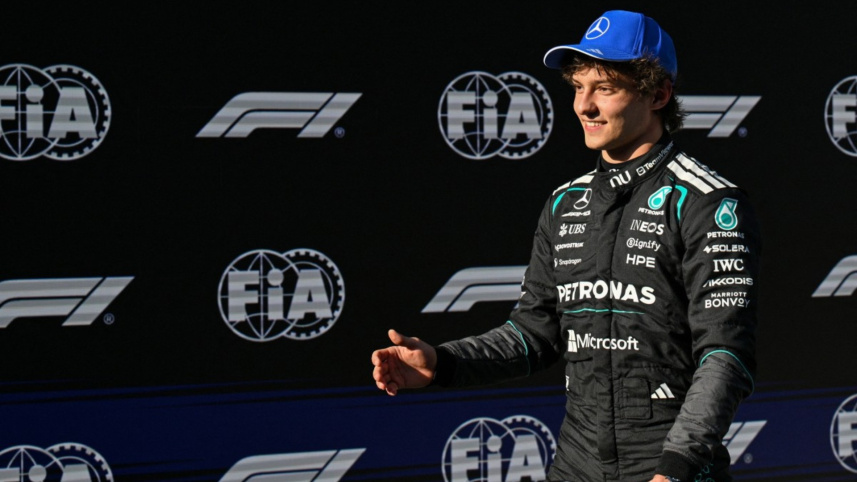
The historic result came after the Mexico City Grand Prix on November 1, where Antonelli finished third, a result sufficient to confirm his position at the top of the championship standings.
The achievement has generated enormous interest across the international motorsport community. It also marks a major moment for Mercedes, a team that has invested heavily in developing the next generation of Formula 1 talent.
Antonelli’s success is particularly significant because Formula 1 is one of the most demanding sports in the world. Drivers must combine exceptional speed, physical conditioning, technical understanding, mental strength, and the ability to make difficult decisions under intense pressure.
His championship victory demonstrates that age is not necessarily a barrier to achieving the highest level of success in professional motorsport.
A Historic Achievement for a Young Driver
Becoming a Formula 1 world champion requires far more than winning individual races.
Drivers must maintain consistency throughout a demanding international calendar, work closely with engineers, understand changing weather conditions, manage tyre performance, and avoid costly mistakes.
For a driver as young as Antonelli, the challenge is even greater.
Formula 1 competitors regularly face experienced opponents who have spent years developing their racing skills. These drivers understand the technical and psychological demands of the championship and are capable of applying pressure throughout an entire season.
Antonelli’s ability to compete at the highest level reflects the importance of preparation and development.
His progress through junior racing categories helped prepare him for the challenges of Formula 1. Those experiences provided opportunities to develop racecraft, understand competitive pressure, and become familiar with the technical demands of modern motorsport.
His championship success also highlights the growing importance of young talent in Formula 1.
Teams increasingly recognize that identifying promising drivers early and providing them with the correct development environment can create long-term competitive advantages.
Mercedes Returns to the Centre of Attention
Antonelli’s championship is also a major achievement for Mercedes.
The German manufacturer has a long history in Formula 1 and has established itself as one of the most successful teams of the modern era.
Winning the drivers’ championship strengthens the team’s position and provides an important reward for the work carried out by engineers, mechanics, strategists, and management.
A successful Formula 1 season requires coordination between hundreds of people.
Engineers analyse performance data, mechanics prepare the cars, strategists calculate pit-stop opportunities, and drivers provide feedback that helps improve the vehicle.
Every decision can influence the outcome of a race.
Mercedes’ ability to support Antonelli throughout the championship demonstrates the importance of teamwork.
The driver receives much of the public attention, but the final achievement belongs to the entire organization.
The championship could also influence the team’s future development plans as it seeks to maintain its competitive position against other major manufacturers.
The Mexican Grand Prix and the Championship Deciding Moment
The Mexico City Grand Prix provided the setting for Antonelli’s historic achievement.
Finishing third was enough to secure the championship, allowing the young Italian to achieve the biggest milestone of his professional career.
The result also demonstrated why consistency matters so much in Formula 1.
Drivers do not necessarily need to win every race to become champions. They must accumulate enough points across the season while minimizing mistakes and managing difficult weekends.
A third-place finish can sometimes be more valuable than taking unnecessary risks in pursuit of victory.
“Formula 1 has witnessed another historic moment after Italian racing sensation Kimi Antonelli secured the 2026 drivers’ world…”
This is particularly important during championship-deciding races, when pressure is extremely high.
A driver who understands the mathematical situation and manages the race intelligently can secure the title without compromising the overall objective.
Antonelli’s result reflects the importance of combining ambition with strategic thinking.
What the Achievement Means for the Future of Formula 1
Antonelli’s championship could influence the future direction of the sport.
Young drivers around the world may see his achievement as evidence that the pathway into Formula 1 can produce championship-level competitors at an early age.
Karting academies, junior racing programmes, and professional development systems are likely to receive renewed attention.
His success also places additional pressure on established drivers.
Formula 1 has always depended on competition between generations. Experienced champions provide knowledge and consistency, while younger competitors bring fresh energy and new approaches.
The emergence of another young world champion adds another important chapter to this tradition.
However, maintaining success is often more difficult than achieving it for the first time.
Antonelli will now face new expectations from fans, sponsors, the media, and his team.
His ability to manage those expectations could determine whether he becomes a one-time champion or develops into a dominant figure in the sport.
The Commercial Impact of a New Champion
Formula 1 is not only a sporting competition. It is also a major international entertainment and commercial industry.
Drivers with compelling personal stories can attract fans from different countries and introduce new audiences to the sport.
Antonelli’s youth, Italian background, and historic championship achievement could make him an increasingly important international sporting figure.
Mercedes may also benefit commercially from the attention surrounding its champion.
Sponsors value successful drivers because they provide visibility and create opportunities to connect brands with international audiences.
The achievement could also encourage greater interest in Formula 1 among younger viewers.
This is important at a time when the sport continues to expand its international audience through digital platforms, social media, and international events.
Conclusion
Kimi Antonelli’s 2026 Formula 1 championship is a historic moment for international motorsport.
Becoming the youngest world champion at 20 years and 68 days places him in an extraordinary position within the history of the sport.
His success reflects personal talent, consistent performance, professional preparation, and the collective effort of the Mercedes organization.
The achievement also creates an exciting question for the future: how many more championships could this young driver win?
For now, Antonelli can celebrate a remarkable milestone that will be remembered as one of the defining moments of the 2026 Formula 1 season.