

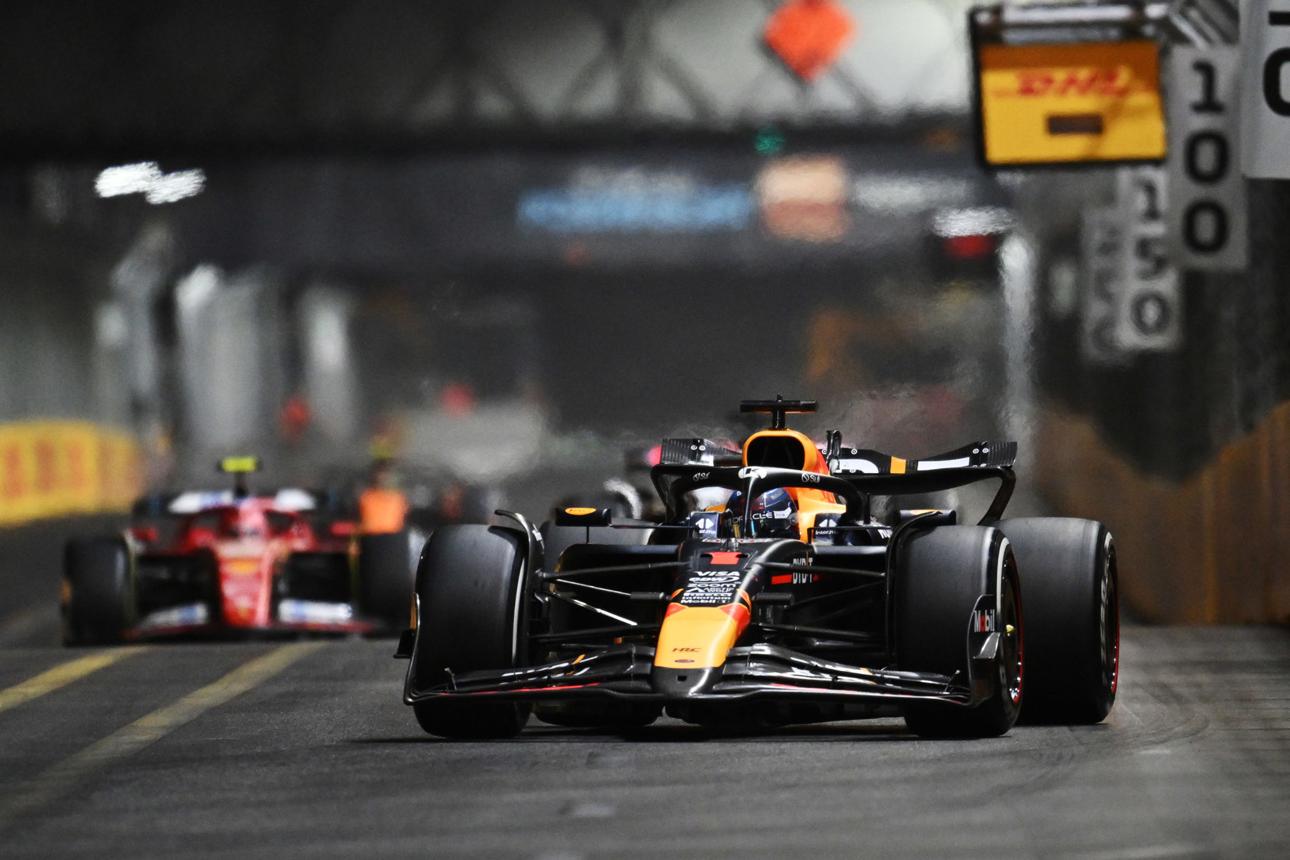
Formula One has celebrated the success of the Las Vegas Grand Prix after a spectacular race featuring intense competition, numerous overtaking manoeuvres and a sold-out crowd.
The event was won by Dutch driver Max Verstappen, who defeated McLaren’s Lando Norris in a closely contested race.
Verstappen crossed the finish line just 0.639 seconds ahead of Norris, demonstrating how competitive the race remained until the final stages.
Oscar Piastri completed the podium for McLaren, giving the team another important result in the championship battle.
The Las Vegas Grand Prix is one of Formula One’s most commercially important events because it combines international motorsport with entertainment, tourism and major sponsorship opportunities.
Verstappen delivers an impressive victory
Verstappen’s victory demonstrated his experience and ability to perform under pressure.
The Las Vegas circuit is known for its high-speed sections and long straights, which create opportunities for overtaking.
Drivers must balance speed with tyre management and careful control of their cars.
Verstappen successfully managed these challenges and held off Norris during the closing stages.
His narrow winning margin demonstrated the competitive nature of modern Formula One.
For Red Bull, the victory represents an important achievement and provides further evidence of the team’s ability to compete at the highest level.
McLaren puts pressure on Red Bull
Lando Norris produced a strong performance and finished only 0.639 seconds behind Verstappen.
His result highlights McLaren’s continued competitiveness.
Oscar Piastri also secured a podium finish, strengthening McLaren’s overall performance in the event.
The two drivers have become important figures in the modern Formula One competition.
McLaren’s ability to compete against Red Bull demonstrates the importance of engineering development, driver performance and effective race strategies.
The team must continue improving its car if it wants to challenge consistently for major championship honours.
Formula One’s growing international popularity
The Las Vegas Grand Prix demonstrates the commercial expansion of Formula One.
The sport has increasingly focused on international markets, attracting new audiences through digital media, entertainment partnerships and high-profile events.
The United States has become an important growth market.
The Las Vegas race is particularly attractive because it takes place in one of the world’s most recognised entertainment destinations.
The event combines motorsport with hospitality, tourism, concerts and luxury experiences.
This creates opportunities for hotels, restaurants, airlines, transport companies and other businesses.
“Formula One has celebrated the success of the Las Vegas Grand Prix after a spectacular race featuring intense…”
Economic impact of the race
Major sporting events can generate significant economic activity.
The arrival of international visitors creates demand for accommodation, food, transportation and entertainment.
Businesses benefit from increased customer spending, while the city gains international media exposure.
Formula One also generates revenue through broadcasting rights, sponsorship agreements, advertising and commercial partnerships.
The Las Vegas event therefore represents more than a sporting competition.
It is also an international business operation involving sponsors, organisers, manufacturers, broadcasters and tourism companies.
However, hosting a major race also involves significant expenditure on infrastructure, security, road management and event organisation.
The long-term economic benefits depend on whether tourism and commercial activity justify those costs.
Technology and innovation
Formula One remains an important platform for automotive engineering.
Teams continuously develop technologies to improve vehicle performance, energy efficiency, aerodynamics and reliability.
The sport also attracts major technology partners and engineering specialists.
Developments in motorsport can contribute to wider automotive research, although technologies do not always transfer directly to ordinary road vehicles.
The competition therefore remains important for manufacturers seeking to demonstrate engineering expertise.
Future of Formula One
Formula One’s international strategy is likely to continue focusing on expanding its global audience.
New commercial partnerships, digital broadcasting and entertainment-focused events are helping the sport attract younger viewers.
However, the championship must maintain a balance between entertainment and sporting competition.
Fans expect close racing, fair competition and exciting championship battles.
The Las Vegas Grand Prix has provided a strong example of how a major event can combine sporting excitement with commercial success.
Conclusion: Max Verstappen’s narrow victory over Lando Norris has helped make the Las Vegas Grand Prix one of the major sporting talking points of November 2026. The sold-out event demonstrates Formula One’s international popularity and the growing economic importance of motorsport tourism, sponsorship and global broadcasting.