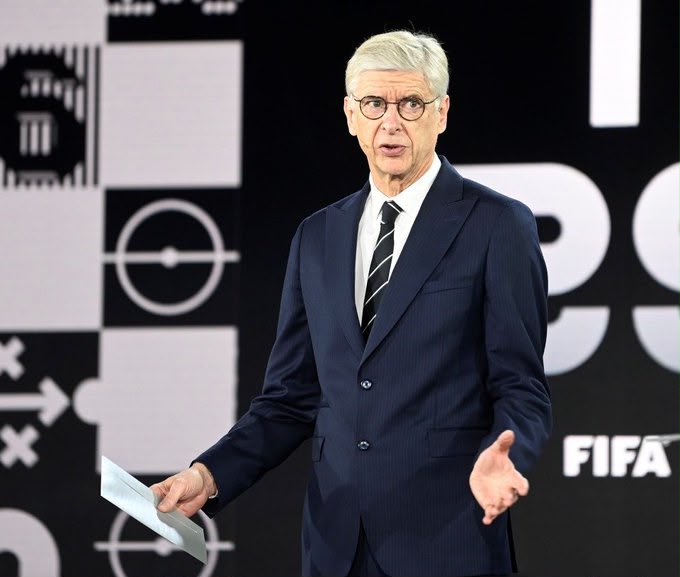
Arsène Wenger is reportedly expected to stand against Gianni Infantino in the race for the FIFA presidency, potentially setting up a major contest for leadership of world football.
According to the report, Wenger’s nomination would need to be submitted by the November 18 deadline. His candidacy, however, should not be considered official until it is confirmed by reliable sources or an announcement from the relevant parties.
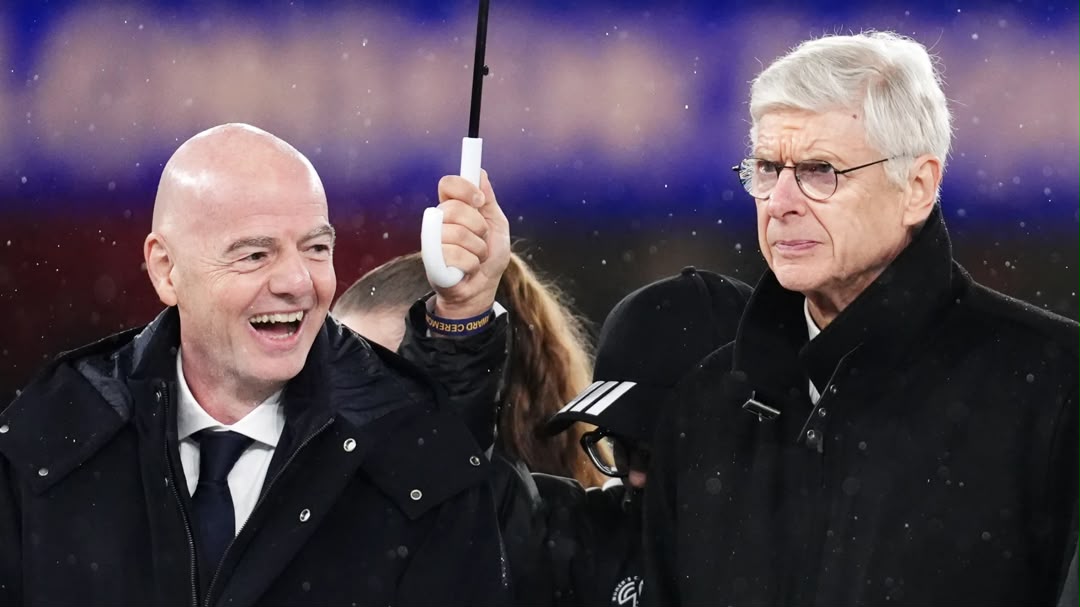
Photo Credit PA Images / Press Association
Wenger is one of the most respected figures in modern football, having built an outstanding reputation during his long managerial career at Arsenal. His possible entry into the presidential race would attract international attention because of his experience in football management and his current role within FIFA.
Wenger’s Historic Career at Arsenal
The Frenchman managed Arsenal from 1996 to 2018, transforming the club’s playing style and helping establish it among England’s leading teams. His football philosophy emphasised attacking play, technical ability, intelligent movement and the development of young players.
During his 22-year spell at Arsenal, Wenger won three Premier League titles and seven FA Cups. His achievements made him one of the most successful managers in the club’s history.
One of the defining moments of his career came during the 2003–04 Premier League season. Arsenal completed the league campaign unbeaten, earning the famous nickname “The Invincibles.” The achievement remains one of the most celebrated accomplishments in English football.
Wenger also influenced how clubs approached player recruitment, fitness, nutrition and long-term development. His willingness to identify talented players and give them opportunities helped shape Arsenal’s identity for more than two decades.
Although his time at Arsenal ended in 2018, Wenger has remained involved in the sport and continues to be recognised internationally for his contribution to football.
Wenger’s Current Role at FIFA
Wenger joined FIFA in November 2019 as Chief of Global Football Development. His work has focused on areas such as talent identification, youth development and expanding opportunities for footballers around the world.
The position brought him into the administration of the organisation responsible for governing international football. His possible interest in the presidency would therefore represent a significant development in his career.
Managing an elite club and leading FIFA are very different responsibilities. The FIFA president must work with national associations, continental confederations and other stakeholders while overseeing the organisation’s global competitions and wider strategic priorities.
If Wenger formally enters the race, attention will turn to his plans for the organisation, his priorities for developing the game and the support he could secure among FIFA’s member associations.
At present, those questions remain open until further details about his reported intentions become available.
Infantino’s Leadership of World Football
Gianni Infantino became FIFA president in February 2016 after succeeding Sepp Blatter. He was subsequently re-elected in 2019 and 2023.
During his presidency, FIFA has overseen major developments in international football, including the expansion of the men’s World Cup from 32 teams to 48 for the 2026 tournament in the United States, Canada and Mexico.
“Wenger is expected to stand against Infantino for the FIFA presidency”
Supporters of the expansion argue that it creates more opportunities for national teams to qualify for the sport’s biggest competition. The change has also generated debate about tournament scheduling, player workload and the future format of international football.
Infantino’s leadership has included efforts to increase FIFA’s commercial revenues and expand investment in the global game. These decisions have helped shape discussions about the organisation’s priorities and its relationship with football associations around the world.
A possible challenge from Wenger could bring additional attention to the direction of FIFA, although it would be premature to suggest what changes he might propose without a confirmed campaign.
What a Potential Presidential Contest Could Mean
Wenger’s reputation in football could make him a prominent figure if he officially decides to contest the presidency. His decades of experience in management have given him an international profile that extends beyond Arsenal supporters.
However, public recognition alone does not determine the outcome of a FIFA presidential election. Candidates must secure sufficient support from FIFA’s member associations under the applicable election rules.
FIFA has 211 member associations, making relationships with football administrators across different regions an important part of any presidential campaign.
A contest involving Wenger and Infantino would therefore be about more than their individual reputations. It would also concern their respective programmes, their relationships with national associations and the priorities that members want the organisation to pursue.
For Wenger, a confirmed candidacy would mark a major move from football development into a direct contest for the leadership of the global governing body. For Infantino, a credible challenger would bring added scrutiny to his record and plans for the organisation’s future.
November 18 Deadline in Focus
The reported November 18 nomination deadline is an important date to watch as developments unfold. The deadline and applicable nomination requirements should be checked against official information before being presented as confirmed.
For now, Wenger’s reported intention to challenge Infantino remains a developing story rather than an established presidential contest.
His achievements at Arsenal and his current role at FIFA ensure that any confirmed move would attract considerable attention across the football world. The next significant development will be reliable confirmation of whether Wenger intends to stand and whether his nomination is formally submitted.
Until then, the possibility of a challenge adds an intriguing dimension to discussions about FIFA’s future leadership.