
Cities have always had reputations; what is new is that African cities now manage theirs deliberately. Kigali markets itself as the clean, safe, organised capital of African ambition. Lagos has turned its chaos into a cultural export. Cape Town sells a lifestyle so effectively that remote workers relocate for it. The African city has become a brand.
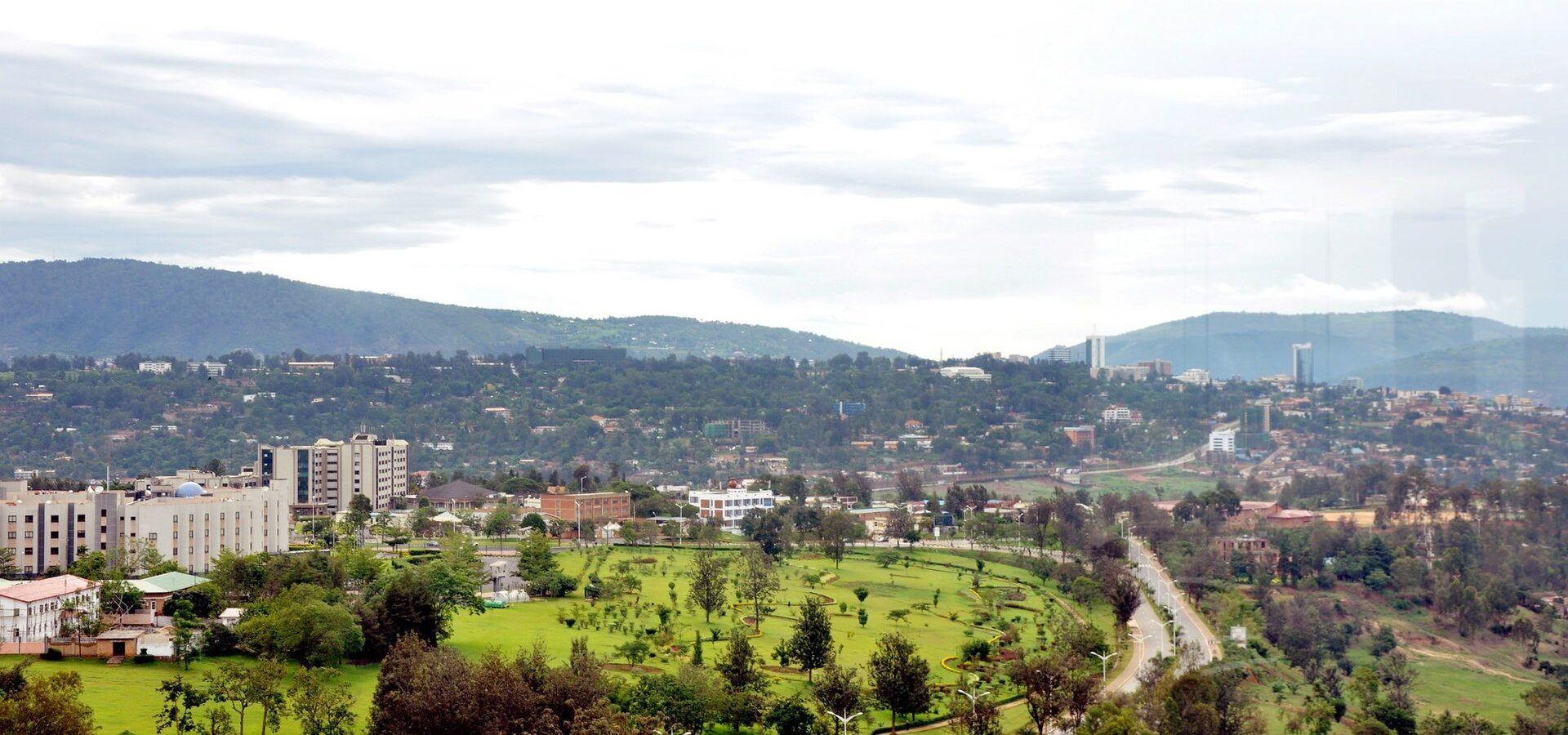
The returns are concrete. A strong city brand moves tourism, conferences, foreign investment and talent — the four flows every mayor wants. Rwanda’s meetings-and-events strategy, built directly on Kigali’s image, now delivers revenue that took decades to construct and competitors years to understand.
The branding works because it is rooted in something real — and that is precisely the discipline. Kigali’s order is genuine; Lagos’s creative energy is undeniable. The brands that fail are the ones invented in ministries without reference to lived reality. A slogan cannot survive contact with a broken bus system.
There is a sharper edge: brand-driven cities increasingly curate what is visible. Street vendors, informal settlements and the unphotogenic poor find themselves zoned, cleared or simply edited out of the official image — raising the question of whose city the brand is branding.
“Kigali sells order, Lagos sells energy, Cape Town sells beauty. The deliberate branding of African cities is reshaping…”
Kampala watches all of this with obvious stakes. The city has assets most capitals would envy — the hills, the lake, the nightlife, the warmth — but has never packaged them into a coherent story. Its brand remains accidental, which in a competitive market is another way of saying absent.
The age of the African lifestyle city is here. The winners will be the cities that tell the truth beautifully; the losers, the ones that tell a beautiful lie.